Responsible Pet Ownership: Everything Every New Pet Owner Should Know
JoinWebs Inc August 1, 2026 No Comments
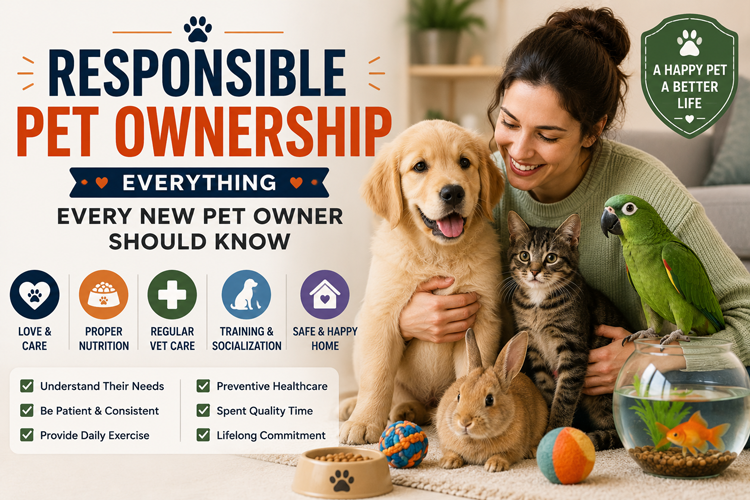
Bringing a new pet into your home is an exciting and rewarding experience. Whether you’ve adopted a playful puppy, a curious kitten, a colorful bird, a friendly rabbit, or even a beautiful aquarium fish, becoming a pet owner comes with lifelong responsibilities. Pets rely on us for love, care, protection, and a healthy environment.
Responsible pet ownership isn’t just about providing food and shelter. It means understanding your pet’s physical, emotional, and social needs while making a long-term commitment to their well-being. Here’s everything every new pet owner should know.
1. Understand the Commitment
Owning a pet is a long-term responsibility that can last for many years.
For example:
- Dogs: 10–15 years
- Cats: 12–20 years
- Rabbits: 8–12 years
- Birds: 10–50 years (depending on the species)
- Fish: 2–20 years (depending on the species)
Before bringing a pet home, make sure you’re prepared for the time, effort, and financial responsibility involved.
2. Choose the Right Pet for Your Lifestyle
Every pet has unique care requirements.
Ask yourself:
- Do I have enough time each day?
- Is my home suitable for this pet?
- Can I afford ongoing care?
- Do I have young children or other pets?
Choosing a pet that fits your lifestyle helps create a happier life for both you and your companion.
3. Provide Proper Nutrition
A balanced diet is essential for your pet’s health and longevity.
Always:
- Feed high-quality food appropriate for the species and age.
- Provide fresh, clean water at all times.
- Avoid overfeeding.
- Limit treats and unhealthy snacks.
Consult your veterinarian if you’re unsure about the best diet for your pet.
4. Schedule Regular Veterinary Visits
Routine veterinary care helps prevent illness and detect health problems early.
Your pet should receive:
- Regular health checkups
- Vaccinations
- Deworming treatments
- Dental care
- Parasite prevention
Annual veterinary visits are one of the best investments you can make in your pet’s health.
5. Keep Your Pet Active
Exercise is essential for maintaining a healthy body and mind.
Different pets require different activities:
- Dogs enjoy daily walks and playtime.
- Cats benefit from climbing trees, scratching posts, and interactive toys.
- Rabbits need safe spaces to hop and explore.
- Birds require time outside the cage and mental stimulation.
Keeping your pet active reduces stress and helps prevent obesity.
6. Create a Safe and Comfortable Home
Your pet should always feel secure.
Provide:
- A comfortable sleeping area
- Safe toys
- Proper shelter
- Clean food and water bowls
- A quiet place to rest
Remove hazardous plants, chemicals, electrical cords, and small objects that could be swallowed.
7. Train and Socialize Early
Training helps pets understand boundaries and build confidence.
Basic training includes:
- House training
- Obedience commands
- Leash training
- Positive reinforcement
Socialization is equally important. Introduce your pet to new people, environments, and other animals gradually to help them become well-adjusted.
8. Give Love and Attention
Pets thrive on companionship and affection.
Spend quality time every day by:
- Playing together
- Grooming your pet
- Talking to them
- Offering praise and rewards
- Building trust through positive interactions
A strong bond improves your pet’s emotional well-being and strengthens your relationship.
9. Keep Identification Up to Date
Accidents can happen, and pets sometimes wander away.
Protect your companion by ensuring they have:
- A collar with an ID tag
- A registered microchip (where available)
- Updated contact information
These simple precautions greatly increase the chances of a safe return if your pet gets lost.
10. Be a Responsible Member of the Community
Responsible pet ownership also means respecting others.
Remember to:
- Clean up after your pet.
- Keep dogs on a leash in public areas where required.
- Prevent excessive barking or disturbances.
- Follow local animal welfare laws and regulations.
- Never abandon a pet.
Being considerate helps create safer and more welcoming communities for both people and animals.
Common Mistakes New Pet Owners Should Avoid
Avoid these common mistakes:
- Buying a pet on impulse.
- Skipping regular veterinary visits.
- Feeding inappropriate foods.
- Ignoring exercise and mental stimulation.
- Leaving pets alone for long periods.
- Using punishment instead of positive training.
- Neglecting grooming and hygiene.
Learning from these mistakes will help your pet live a happier, healthier life.
Essential Supplies for Every New Pet Owner
Before bringing your pet home, make sure you have:
- Food and water bowls
- High-quality pet food
- Comfortable bed
- Toys
- Grooming supplies
- Carrier or leash
- Identification tag
- Cleaning supplies
- First aid kit
- Appropriate cage, tank, or enclosure (if needed)
Having these essentials ready will help your pet settle into their new home with ease.
Final Thoughts
Responsible pet ownership is about much more than providing food and shelter. It requires patience, compassion, commitment, and a genuine desire to give your pet the best possible life. By meeting their physical, emotional, and medical needs, you’ll build a lasting bond based on trust and care.
Whether you’ve welcomed a loyal dog, a playful kitten, a cheerful bird, a curious rabbit, or a peaceful aquarium fish into your home, your dedication will shape their happiness and well-being for years to come.
A well-cared-for pet isn’t just healthier, they’re also a happier companion and a cherished member of the family. 🐾
Leave a Comment
Your email address will not be published. Required fields are marked. *